The Insula della Sapienza: Discovering Ancient Egypt in the Heart of Rome
→Santo Stefano del Cacco, Piazza della Pigna, Piazza della Minerva, Piazza San Macuto, Iseum
- Language: Italian/English
Included services:
- Archaeologist/Egyptologist guide for about 1 hour
- Headsets during the tour
- Entrance to Iseum
A fascinating guided tour led by an Egyptologist/archaeologist will take you into the heart of Rome to explore the places where ancient Egypt comes alive among the stones of the Eternal City. The itinerary follows the traces of the ancient Insula della Sapienza, an area extraordinarily rich in archaeological memories and esoteric symbols, where the Iseum Campense once stood—the great sanctuary dedicated to the Egyptian deities Isis and Serapis.
The tour begins at Santo Stefano del Cacco, a church built over the remains of the temple of Isis.
Its curious name derives from a statue of an Egyptian monkey (“il cacco”) found on the site—an enduring reminder of the
Nile cults that once thrived in the heart of Rome.
From here, the tour continues to Piazza della Pignanamed after the gigantic bronze pinecone sculpture now kept in the Vatican, which was once an integral part of the ancient Isiac complex. The guide will explain how these decorative elements
were reinterpreted and incorporated into new contexts, symbolizing continuity between different worlds and cultures.
The tour then reaches Piazza della Minerva, dominated by the famous little elephant statue by Bernini that supports
an Egyptian obelisk—tangible evidence of the religious and artistic syncretism that characterized this area.
It was here that, in the Middle Ages, the memory of the temple of Isis survived through popular tales and
local place names.
Finally, the tour arrives at Piazza San Macuto, where Roman-era buildings connected to the sacred complex once stood, and where
the guide will describe the latest archaeological discoveries that have helped reconstruct
the full extent of the ancient
sanctuary.
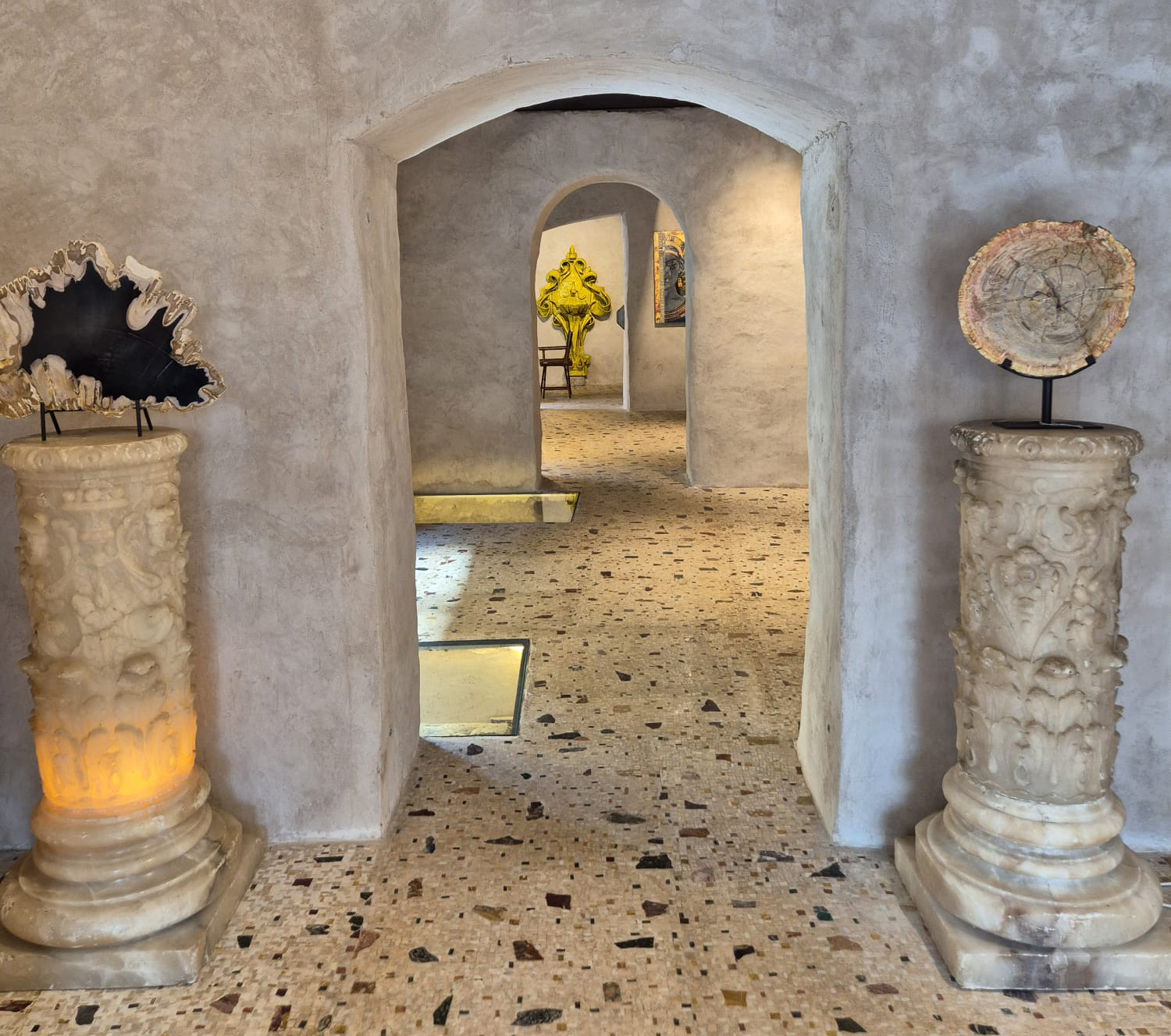
The walk concludes with an indoor explanation of theIseum, to fully understand the temple’s structure
, the function of its spaces, and the profound spiritual significance of the cult of Isis in Imperial Rome.